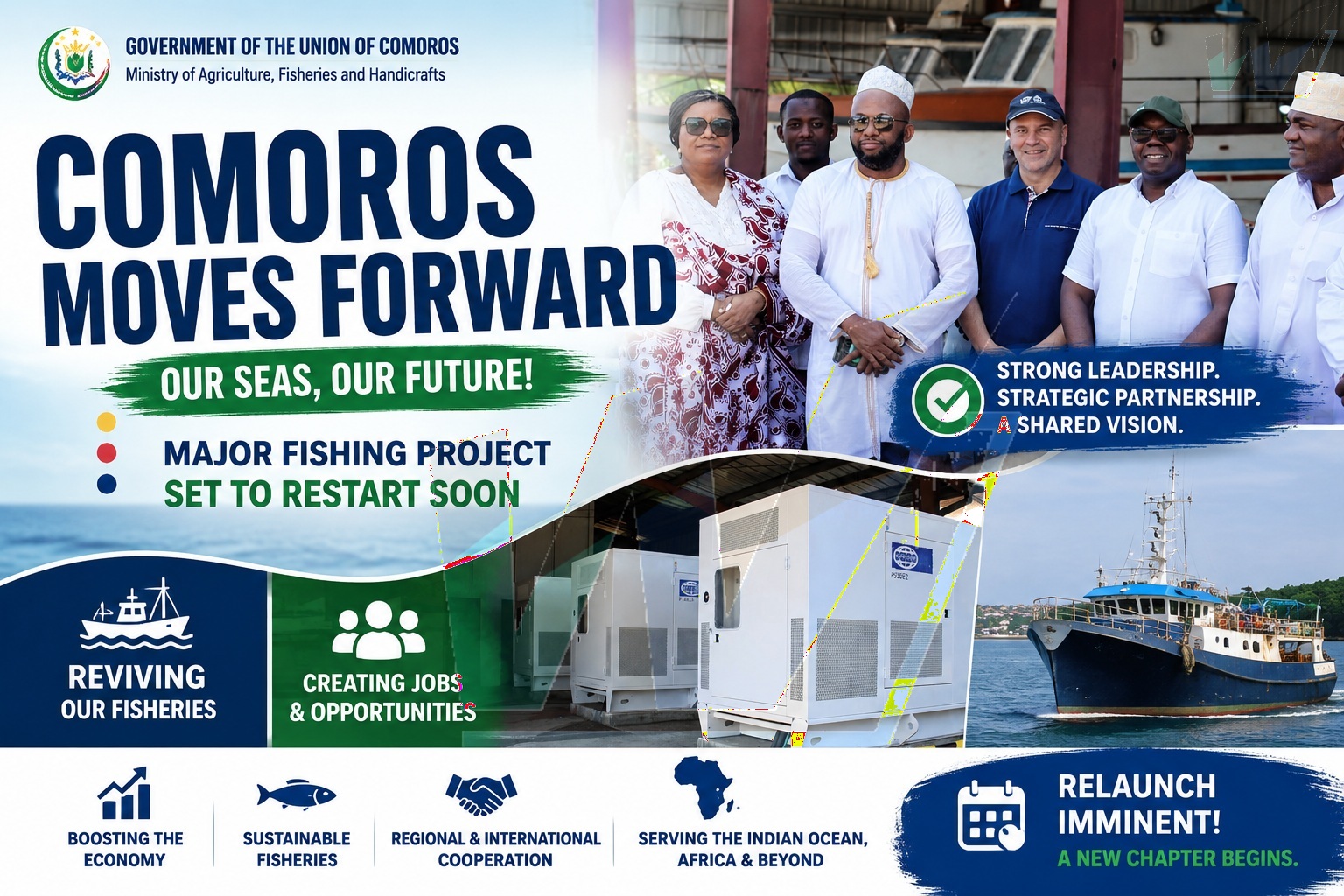
Government Announces Imminent Relaunch of Major Fishing Project as Maritime Ambitions Gain Momentum
MORONI / VOIDJOU –
After years of silence, the waters may soon come alive again.
In a move signaling renewed ambition for the maritime future of the Comoros, the government has announced the imminent revival of a long-stalled fishing project, one official say could reshape the nation’s economy and strengthen its regional influence.
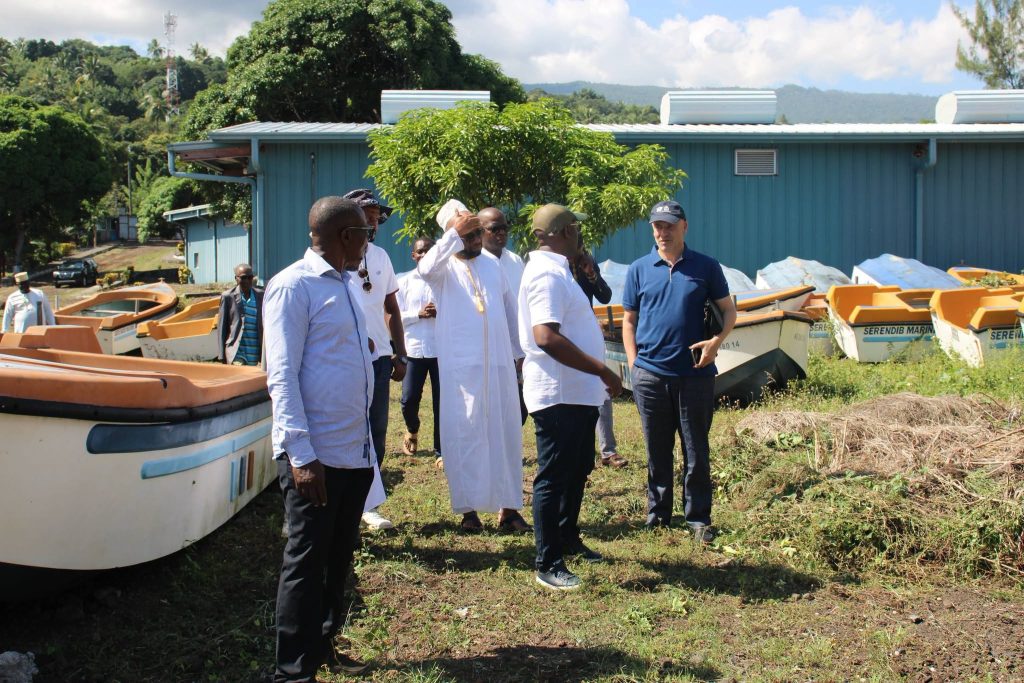
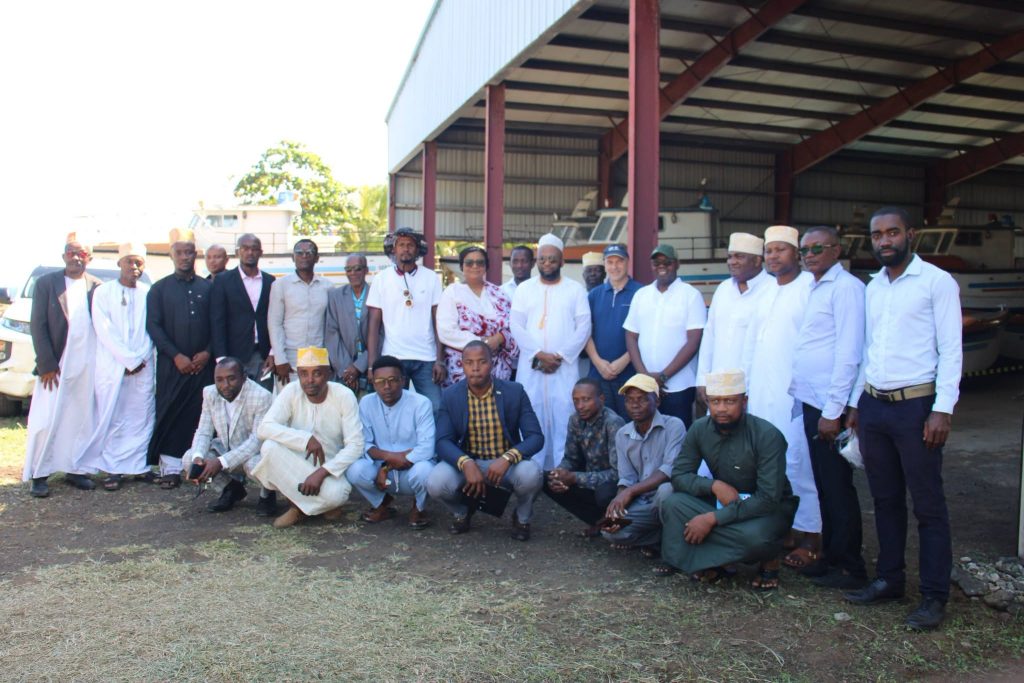
On Wednesday morning, the Minister of Agriculture, Fisheries, and Handicrafts, Daniel Bandar, visited the fishing company in Voidjou alongside Minister of Air and Maritime Transport Halfeine Hassane Yasmine and company administrator Ali Abderemane Chamsoudine.
Their visit carried more than ceremonial significance.
Also present was maritime expert Saade Makhlouf, Commissioner of Vanuatu for deep-sea fisheries and a recognized maritime administrator, whose presence underscored a growing strategic alliance between the two island nations.
The inspection follows a recent high-level diplomatic mission led by Minister Bandar to the Pacific, particularly to Vanuatu, aimed at deepening bilateral cooperation in maritime governance and fisheries development.
A Sleeping Giant Beneath the Waves
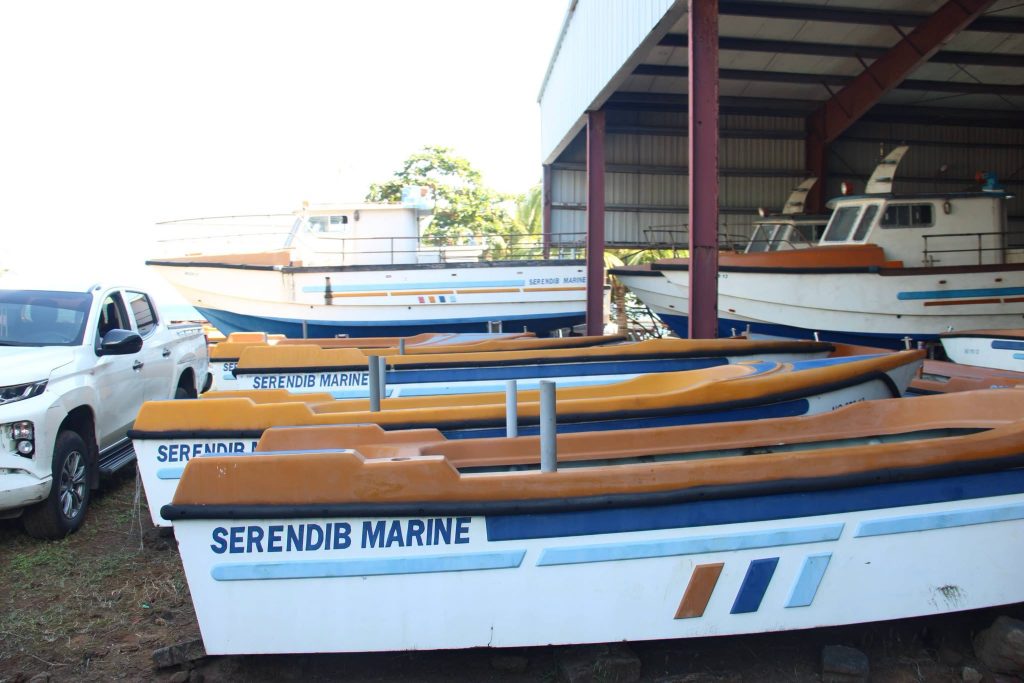
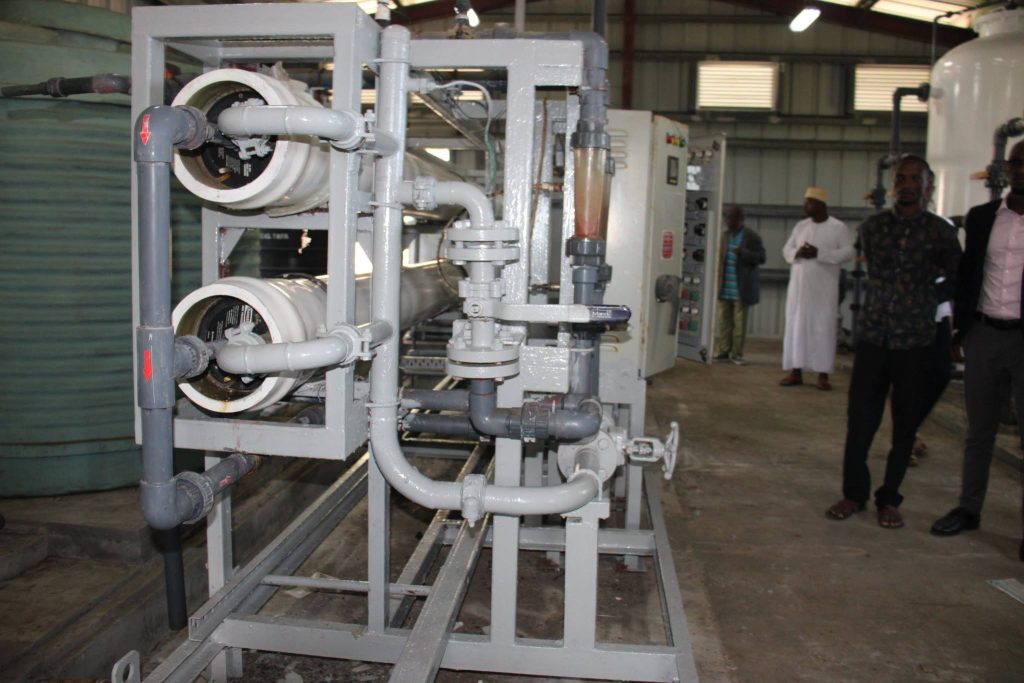
For more than a decade, the fishing infrastructure at Voidjou remained largely inactive, its facilities standing as a reminder of unrealized potential.
Now, that may be about to change.
Makhlouf’s mission focused on evaluating the artisanal fishing project as part of a broader technical assistance initiative designed to support Comorian authorities in reforming maritime registration and accelerating sustainable fisheries development.
His assessment was clear: Comoros possesses extraordinary untapped maritime wealth.
“The country has considerable potential in artisanal fishing,” the expert noted, while stressing that unlocking this potential will require structural reform, modernization, targeted investment, and stronger coordination among industry stakeholders.
According to Makhlouf, the goal extends far beyond improving fishermen’s daily income.
This initiative, he said, is about building a genuine national asset, one capable of driving economic growth, creating jobs, and elevating Comoros’ standing on the international stage.
Pressure From the Top
Behind the scenes, the urgency is unmistakable.
Minister Bandar revealed that the project has become one of the government’s highest priorities, receiving direct and frequent attention from President Azali Assoumani.
“Not a single week passes without the President asking me for updates and results regarding this project.”
The statement highlighted the highest level of government.
Bandar praised the collaboration among the Ministry of Fisheries, the Ministry of Maritime and Air Transport, the General Secretariat of Government, and other institutions involved in the project.
He acknowledged that multiple international partners had been consulted over the years but emphasized that this partnership stands apart due to its ability to address the specific needs expressed by the Comorian side.
Revival After a Decade of Silence
Perhaps the most striking message came at the end of the visit.
Bandar announced that all major conditions for restarting operations are now falling into place, and that the company’s relaunch is expected very soon.
The impact, he suggested, could extend well beyond national borders.
This project is not only intended to benefit Comoros. If successful, it could serve the broader Indian Ocean region, support Africa’s maritime economy, and contribute to global fisheries networks.
The minister also paid tribute to Chamsoudine and his team for preserving the infrastructure despite more than ten years of inactivity, a feat many say kept the project alive when hope was fading.
A New Maritime Era?
For Comoros, this is about more than fish.
It is about sovereignty.
It is about jobs.
It is about national resilience.
As global demand for sustainable marine resources rises, Comoros appears determined not to remain on the sidelines.
With international expertise, renewed political will, and dormant infrastructure ready for activation, the island nation may finally be preparing to unlock the power of its surrounding waters.
After years of waiting, the engines may soon roar back to life.
And for Comoros, a new maritime chapter may just be beginning.